top of page

Historic Fall Creek, Pendleton Settlement, Inc.
"to promote and preserve the historic character, association, and architecture of Pendleton, Indiana, and the surrounding areas."


The Fall Creek Massacre
In 1818, the U.S. seized vast swaths of American Indian lands in central Indiana through treaty. Though the land was ceded, some Indian villages and camps persisted as white settlers surged in, eager to claim their new holdings. Then, in the spring of 1824 eight miles east of Pendleton, tragedy struck: a brutal massacre unfolded when white men slaughtered nine Indian men, women, and children who had settled at their winter camp beside a stream, roughly eight miles to the east. Outrage rippled through the community, and before long, white residents had captured all but one of the killers.
In an effort to ease the growing tensions between settlers and Indians, U.S. Indian Agent John Johnston took action, using federal funds to supply provisions to the families of the victims and constructing a log jail nearby to hold the accused. After jury trials, three of the perpetrators were sentenced to hang in 1825, while Governor James Ray granted a pardon to one young man. In this exceptional instance, the Indians saw a measure of justice served through the very system that had so often wronged them.
Indian Agent John Johnston served as an intermediary, using federal funds to aid the families of the murdered Native Americans and reduce tensions. He also arranged for a log jail to hold the accused settlers, ensuring some legal process and accountability.


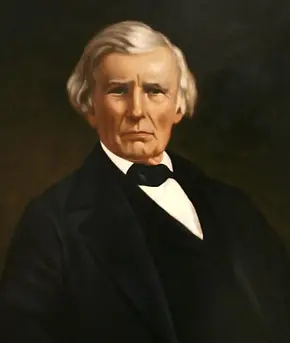
A group of nine Native Americans had been peacefuuly encamped for at least four months just east of Pendleton when they were slaughterd for being accused of stealing horses by a racist and rowdy lot of settlers.
William Conner traveled with Agent Johnston to the northern parts of Indiana to visit the tribes and convince them that white man's justice could prevail.
A single man, James Hudson hung alone on January 12, 1825 after being found guilty. Two others, John Bridge and Andrew Sawyer were found guilty and hung on June 3, 1825.
John Bridge Jr. was sentenced to hang and was pardoned at the very last minute by Governor James Ray who arrived at the scene on horseback.

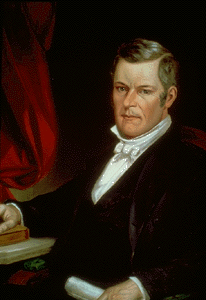
Indiana Governor James Ray Governor pardoned one of the accused settlers after the 1825 trial, amid a complex debate over justice for both Native Americans and settlers.
Native Americans were invited and witnessed the hangings approving the justice that had been served.
Modern photos from PBS' WTIU 2015 Documentary
bottom of page